
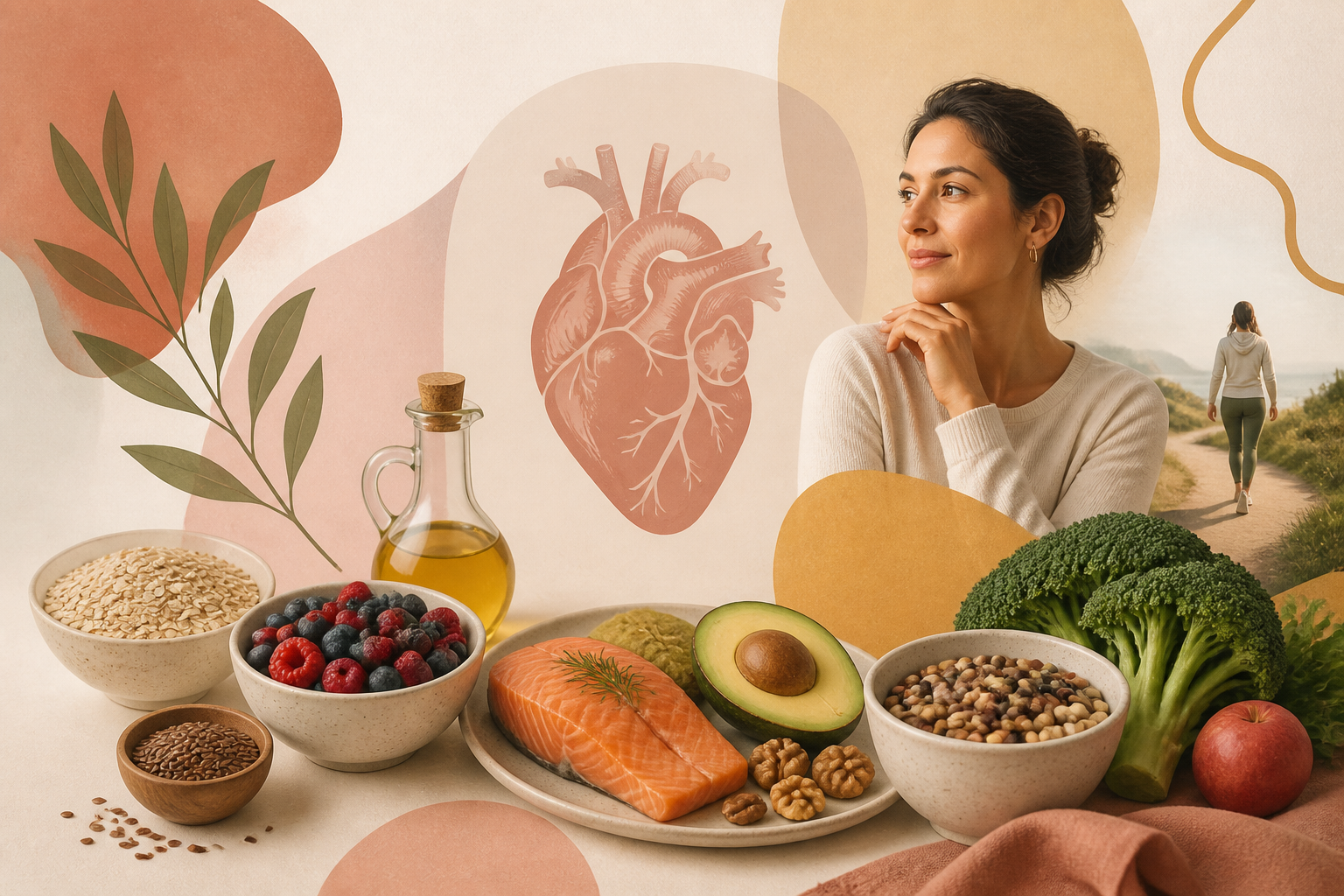
You can lower your cholesterol through diet by reducing saturated fats, increasing soluble fibre, and eating more unsaturated fats. Research suggests that making these specific dietary changes can reduce LDL (low-density lipoprotein) cholesterol by 5% to 10% within three to six months for many adults.
What foods help lower cholesterol levels?
Foods rich in soluble fibre, plant sterols, and healthy unsaturated fats are most effective at reducing cholesterol levels. Soluble fibre binds to cholesterol in the digestive system and removes it from the body before it enters circulation. Oats, barley, beans, and lentils are primary sources of this fibre.
Fruits like apples and pears are also high in pectin, a type of soluble fibre that has been shown to lower LDL. Including a handful of unsalted nuts daily provides healthy monounsaturated fats and fibre, which support heart health. Fatty fish, such as salmon or mackerel, contains omega-3 fats that help lower triglycerides and raise HDL (good) cholesterol.
- Oats and oat bran containing beta-glucan.
- Beans, chickpeas, and red lentils.
- Soya-based foods like tofu or soya milk.
- Vegetables such as broccoli, carrots, and aubergine.
- Fruit, particularly citrus and berries.
- Nuts and seeds, including walnuts and flaxseeds.
How much saturated fat should I eat per day?
UK health guidelines recommend that the average man should eat no more than 30g of saturated fat per day, and the average woman should eat no more than 20g. Reducing this intake is one of the fastest ways to lower your cholesterol through diet, as saturated fat prompts the liver to produce more LDL cholesterol.
Swapping saturated fats for unsaturated versions is more effective than simply cutting out fat entirely. For example, using rapeseed or olive oil instead of butter reduces the intake of fatty acids that clog arteries. Reading nutrition labels on packaged foods is essential, as many "low-fat" options contain high amounts of sugar, which can also negatively impact heart health.
| Food Category | High Saturated Fat (Limit) | Healthy Alternative (Choose) |
|---|---|---|
| Cooking Fats | Butter, lard, ghee, coconut oil | Olive oil, rapeseed oil, sunflower oil |
| Dairy | Full-fat milk, cream, hard cheeses | Skimmed or semi-skimmed milk, yoghurt | Fatty cuts of beef, sausages, bacon | Chicken (no skin), turkey, lentils, fish |
| Snacks | Cakes, biscuits, pastries | Fresh fruit, plain nuts, oatcakes |
Why is soluble fibre so important for cholesterol?
Soluble fibre turns into a gel-like substance in the gut, which traps bile acids that are rich in cholesterol. The body then excretes these bile acids, forcing the liver to draw cholesterol out of the blood to make more bile, thereby lowering your overall levels.
Aim for at least 30g of total fibre per day, which is the standard recommendation for adults in the UK. Most people currently consume only about 18g-20g. Increasing your intake slowly is important to avoid digestive discomfort. Drinking plenty of water helps the fibre move through your system effectively.
You can find more practical advice on building sustainable routines in our personal development section. Managing these daily choices is a core part of long-term health and wellness. Small, consistent changes often lead to better outcomes than restrictive short-term diets.
Can lifestyle changes improve my cholesterol results?
Yes, physical activity and weight management significantly complement dietary changes to improve your cholesterol profile. Exercise helps raise HDL cholesterol, which acts as a "scavenger" by carrying LDL cholesterol away from the arteries and back to the liver.
Aim for at least 150 minutes of moderate-intensity activity per week. This could be brisk walking, cycling, or swimming. If you are overweight, losing even 5% to 10% of your body weight can lead to a measurable improvement in your cholesterol and blood pressure readings. Smoking cessation is also vital, as smoking makes LDL cholesterol stickier, meaning it clings to artery walls more easily.
For those looking for structured ways to implement these changes, our how-to guides provide step-by-step instructions on forming new habits. Understanding the science behind these changes can be found in our wealth knowledge base, where we cover the intersection of health and long-term life planning.
How long does it take to see changes?
Most doctors recommend waiting at least 8 to 12 weeks after starting a new diet before having a follow-up blood test. This period allows the body to stabilise its new cholesterol production and clearance rates. In some cases, significant changes are visible in as little as 21 days, but 3 months is the standard benchmark for clinical significance.
If your levels do not drop sufficiently after three months of strict dietary adherence, it may be due to genetic factors. Familial Hypercholesterolaemia is a condition where the liver cannot clear cholesterol effectively regardless of diet. In these instances, medical intervention may be necessary alongside continued healthy eating. You can read more about managing these types of life challenges in our life skills Q&A.
Frequently asked questions
Are eggs bad for my cholesterol?
For most people, the cholesterol found in eggs has a small effect on blood cholesterol compared to the effect of saturated fats. It is generally safe to eat up to 7 eggs a week as part of a balanced diet. Focus more on what you eat with the eggs, avoiding processed meats like bacon or sausages.
Do I need to stop eating red meat entirely?
You do not need to cut out red meat completely, but you should choose lean cuts and limit consumption to no more than 350g to 500g (cooked weight) per week. Removing visible fat and choosing mince with less than 5% fat content helps keep saturated fat levels within recommended limits. Plant-based proteins are a better daily choice for heart health.
Is coconut oil a healthy choice for lowering cholesterol?
Despite some marketing claims, coconut oil is very high in saturated fat—roughly 86% compared to butter's 51%. Research shows that coconut oil raises LDL cholesterol levels significantly more than liquid vegetable oils. It is best used sparingly rather than as a primary cooking oil if your goal is to lower cholesterol.