
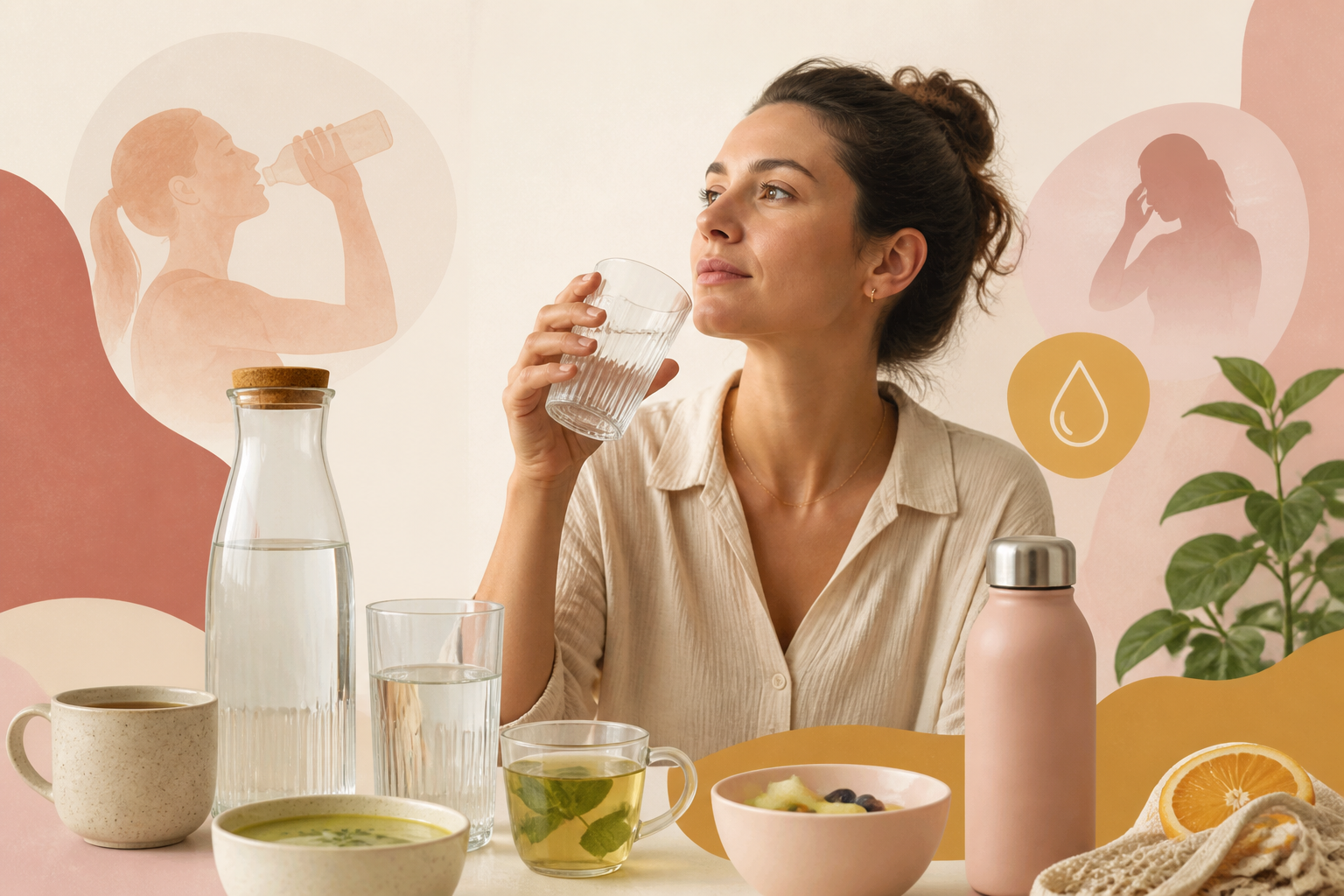
Most adults in the UK require between 1.5 and 2.5 litres of fluid per day to maintain healthy hydration levels. This typically equates to six to eight medium-sized glasses. While plain water is the most efficient source, your daily total includes other drinks like tea and coffee, as well as the water found naturally in fruits and vegetables.
How do I calculate my daily water needs?
You can estimate your baseline fluid requirement by using a simple weight-based calculation. A common guideline is to drink 30 to 35 millilitres of water for every kilogram of body weight. For an adult weighing 70kg, this results in a requirement of roughly 2.1 to 2.4 litres per day. However, this figure represents your total fluid intake, not just plain water consumption from a bottle or tap.
It is important to remember that about 20% of our daily water intake comes from the food we eat. High-moisture foods like cucumber, watermelon, and soup contribute significantly to your hydration status. If you eat a diet rich in fresh produce, you may find you need to drink slightly less than someone who consumes mostly dry, processed foods. Your environment also plays a role. If you are in a heated office or a humid climate, your body loses moisture through your skin more rapidly, increasing your needs.
Personal factors that change your daily requirement include:
- Your current body weight and muscle mass.
- The intensity and duration of physical exercise.
- The temperature and humidity of your surroundings.
- Pregnancy or breastfeeding status, which increases fluid demand.
- Existing health conditions or medications that affect fluid retention.
Why does the body need water every day?
The human body is composed of approximately 60% water, and it relies on this fluid to perform every essential biological function. Water acts as a lubricant for your joints, regulates your internal temperature through sweating, and assists the kidneys in flushing out waste products. Without adequate hydration, your blood volume drops, which forces your heart to work harder to pump oxygen to your brain and muscles.
Cognitive function is closely linked to hydration. Research suggests that even a minor fluid loss of 1% to 2% of body weight can lead to problems with concentration, short-term memory, and mood regulation. This is why many people experience a "mid-afternoon slump" or a dull headache when they have forgotten to drink water during a busy workday. Ensuring a steady intake of fluids helps maintain the protective fluid cushions around your brain and spinal cord.
Digestion also requires significant amounts of water. It helps break down food so that your body can absorb nutrients. It also prevents constipation by keeping the lining of the intestines lubricated and the stool soft. If you are increasing your intake of dietary fibre, it is vital to increase your water intake alongside it, as fibre absorbs water to move through the digestive system.
The table below provides a general guide for hydration based on common demographics in the UK.
| Group | Recommended Daily Fluid (Litres) | Approximate Glasses (250ml) |
|---|---|---|
| Adult Men | 2.5 - 3.0 | 10 - 12 |
| Adult Women | 2.0 - 2.5 | 8 - 10 |
| Children (4-8 years) | 1.1 - 1.3 | 5 |
| Pregnant Women | 2.3 - 2.8 | 9 - 11 |
| Active Athletes | 3.5+ (Variable) | 14+ |
Does tea and coffee count towards my water intake?
Yes, caffeinated drinks like tea and coffee contribute to your daily fluid total. While caffeine has a mild diuretic effect—meaning it can encourage the kidneys to flush more water out—this effect is usually offset by the volume of water used to make the drink. For regular coffee and tea drinkers, the body develops a tolerance to the caffeine, and the net result is positive hydration.
However, plain water remains the best choice for the majority of your intake. It contains no calories, no sugar, and is free of charge from the tap in the UK. While fruit juices and smoothies count towards your total, they often contain high levels of free sugars and acids which can damage tooth enamel. Health experts typically recommend limiting fruit juice to one 150ml glass per day. If you struggle with the taste of plain water, adding a slice of lemon, cucumber, or mint can make it more palatable without adding sugar.
Monitoring your intake can be part of a broader approach to health and wellness. Many people find that tracking their water intake for just three days gives them a much clearer picture of their actual habits versus their perceived habits. You might find more tips on building these types of routines in our life hacks section.
What are the signs of dehydration?
The most reliable indicator of your hydration status is the colour of your urine. Ideally, it should be a pale straw colour or clear. If your urine is dark yellow or amber, it is a sign that your kidneys are conserving water because your body is dehydrated. Other physical symptoms include a dry mouth, tiredness, and feeling lightheaded when standing up.
Thirst is actually a lagging indicator of dehydration. By the time you feel thirsty, your body may already be 1% to 2% dehydrated. It is better to sip water consistently throughout the day rather than drinking large amounts only when you feel parched. This "little and often" approach is easier for the stomach to process and ensures a steady supply of fluid to your cells.
In more severe cases of dehydration, you might notice:
- Extreme thirst or a very dry, sticky mouth.
- Sunken eyes or a lack of tears when crying.
- Passing very little urine, or passing urine less than three times a day.
- Rapid heartbeat or fast breathing.
- Confusion, irritability, or fainting.
If you are managing your long-term wellness, understanding these physical cues is as important as knowing your budget or your personal wealth management goals. Physical health provides the foundation for the focus required to manage other areas of life effectively. For more foundational knowledge on maintaining your body and mind, you can visit the wealth knowledge base which covers the resources needed for a stable life.
How can I drink more water during the day?
Building a hydration habit requires making water easily accessible. Keeping a reusable bottle on your desk or in your bag removed the friction of having to find a glass or a tap when you are busy. Many people find it helpful to drink a glass of water immediately upon waking, as the body is naturally dehydrated after 7 to 8 hours of sleep.
Another effective strategy is to "anchor" your water drinking to existing habits. For example, drink a glass of water every time you put the kettle on, or every time you finish a specific task at work. This is a core concept in personal development: using small, repeatable actions to create long-term change. If you find plain water boring, try carbonated water or infusing a jug with frozen berries. The temperature also matters; some people find it easier to drink room-temperature water in large quantities, while others prefer it ice-cold.
Frequently asked questions
Can you drink too much water?
Yes, a condition called hyponatremia can occur when you drink excessive amounts of water in a short period, which dilutes the sodium levels in your blood. This is rare and usually only affects endurance athletes or individuals with specific medical conditions. For most people, the kidneys can process about 0.8 to 1.0 litres of water per hour.
Is bottled water healthier than tap water?
In the UK, tap water is subject to some of the strictest safety standards in the world and is perfectly healthy to drink. Bottled water is often no safer than tap water and is significantly more expensive. Using a charcoal filter can improve the taste of tap water if you live in a hard-water area where the mineral content is higher.
Do I need more water when I exercise?
You should aim to drink an extra 400ml to 600ml of fluid for every hour of moderate exercise. If the exercise is intense or takes place in heat, you may need more to replace the fluid lost through sweat. Including a pinch of salt or an electrolyte tablet in your water can help with absorption during very long workouts.
Does drinking water help with weight loss?
Water can support weight loss by increasing feelings of fullness, especially if consumed before a meal. It also ensures your metabolism functions at its optimal rate. Sometimes the brain confuses signals for thirst with signals for hunger, so drinking a glass of water when you feel a craving can help determine if you are actually hungry.