
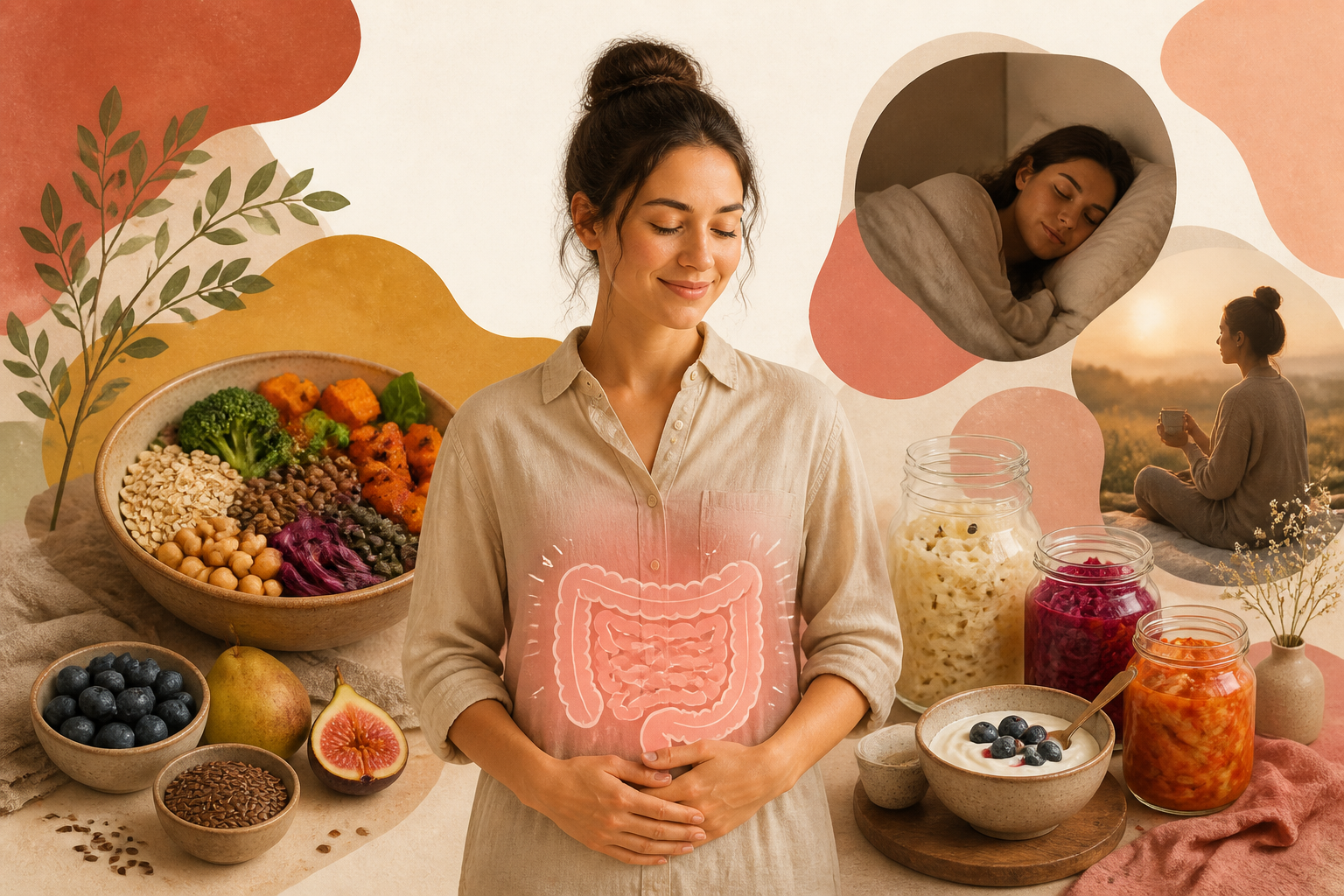
You can improve gut health by increasing your intake of diverse plant fibres, eating fermented foods, and managing lifestyle factors like sleep and stress. Research suggests aiming for 30 different plants per week and consuming 30g of fibre daily to support a diverse microbiome without the need for commercial probiotic supplements.
How does the gut microbiome affect overall health?
The gut microbiome consists of trillions of bacteria, fungi, and viruses living in your digestive tract that regulate immune function, nutrient absorption, and mental health. A healthy gut contains a high diversity of bacterial species, which helps prevent inflammation and supports the production of neurotransmitters like serotonin. When this balance is disrupted, it can lead to digestive issues, fatigue, and a weakened immune response.
Most people in the UK consume significantly less fibre than the recommended 30g per day. The average adult consumes roughly 18g to 20g, leaving a "fibre gap" that prevents beneficial bacteria from thriving. By closing this gap, you provide the necessary fuel—known as prebiotics—for your existing bacteria to multiply naturally.
What foods should I eat to improve gut health naturally?
To improve gut health, focus on whole, unprocessed foods that are high in prebiotic fibres and natural probiotics. Prebiotics are types of fibre that humans cannot digest, but which serve as food for beneficial bacteria. Probiotics are live bacteria found in fermented foods that can temporarily colonise the gut or influence the existing environment.
The following categories of food are the most effective for supporting a healthy digestive system:
- High-fibre vegetables: Artichokes, leeks, onions, garlic, and broccoli contain inulin and other fibres that feed good bacteria.
- Legumes: Lentils, chickpeas, and black beans are excellent sources of both protein and fermentable fibres.
- Whole grains: Oats, barley, and quinoa provide beta-glucans and other complex carbohydrates that move slowly through the digestive tract.
- Fermented foods: Natural yoghurt, kefir, sauerkraut, kimchi, and kombucha provide live cultures. Ensure these are "live" and not pasteurised after fermentation, as heat kills the beneficial bacteria.
- Polyphenol-rich foods: Berries, nuts, seeds, and even dark chocolate contain compounds that act as fuel for specific bacterial strains.
Diversity is more important than quantity. A study by the American Gut Project found that individuals who ate more than 30 different types of plants per week had significantly more diverse microbiomes than those who ate fewer than 10. A "plant" in this context includes fruits, vegetables, grains, legumes, nuts, seeds, herbs, and spices.
| Food Group | Examples | Primary Benefit |
|---|---|---|
| Prebiotics | Garlic, onions, bananas, asparagus | Feeds existing beneficial bacteria |
| Probiotics | Kefir, kimchi, live yoghurt | Introduces new live cultures to the gut |
| Polyphenols | Blueberries, walnuts, olive oil | Protects against harmful bacteria growth |
| Resistant Starch | Cooked and cooled potatoes or rice | Supports butyrate production in the colon |
Why is sleep important for digestive health?
Sleep influences the gut through the gut-brain axis and the circadian rhythms of the bacteria themselves. Studies have shown that even two nights of partial sleep deprivation can lead to changes in the composition of the microbiome, potentially increasing the ratio of bacteria associated with weight gain and type 2 diabetes.
Bacteria have their own internal clocks. When your sleep schedule is inconsistent, or you eat late at night, you disrupt the natural rest and repair cycle of the gut lining. Aiming for 7 to 9 hours of quality sleep helps maintain the integrity of the intestinal barrier, often referred to as avoiding "leaky gut." You can read more about foundational habits in our health and wellness section.
How do lifestyle habits affect the gut?
Daily habits beyond diet play a significant role in how your digestive system functions. Chronic stress, sedentary behaviour, and the overuse of certain medications can all reduce bacterial diversity. Understanding these factors is a key part of personal development when building a healthier routine.
Physical activity increases the blood flow to the digestive tract and encourages the movement of food through the system. Even a 15-minute walk after a meal can improve digestion and blood sugar responses. Conversely, chronic stress triggers the "fight or flight" response, which diverts blood away from the gut, slowing down digestion and potentially altering the chemical balance of the microbiome.
Hydration is also critical. Water helps dissolve fats and soluble fibre, allowing these substances to pass through the system more easily. Without enough water, the colon pulls water from stools, leading to constipation and the buildup of waste products that can irritate the gut lining. For more practical tips on managing your daily routine, visit our life hacks page.
Is it necessary to take probiotic supplements?
For most healthy adults, probiotic supplements are not necessary and may not provide a lasting benefit. Most store-bought supplements contain only a few strains of bacteria, whereas a healthy gut requires hundreds. Furthermore, if you do not provide the right "food" (fibre) for these bacteria, they are unlikely to survive or colonise your gut once you stop taking the pill.
There are specific medical instances where supplements are useful, such as after a course of antibiotics. Antibiotics are designed to kill harmful bacteria but often kill beneficial ones as a side effect. In these cases, a targeted probiotic can help restore the balance more quickly. However, for general maintenance, focusing on the quality of your diet is a more sustainable and cost-effective strategy. You can find more information on managing your health budget in our wealth knowledge base.
Frequently asked questions
How long does it take to improve gut health?
Changes to the gut microbiome can happen quickly, often within 2 to 4 days of changing your diet. However, it takes several weeks of consistent high-fibre intake and fermented foods to establish a more permanent and stable bacterial community. Most people notice improvements in digestion and energy levels within 14 to 21 days.
Do I need to stop eating gluten for a healthy gut?
Unless you have coeliac disease or a diagnosed gluten sensitivity, there is no evidence that removing gluten improves gut health for the general population. In fact, many whole grains containing gluten, such as barley and rye, are excellent sources of prebiotic fibre. Restricting these unnecessarily can actually reduce the diversity of your microbiome.
What are the signs of an unhealthy gut?
Common indicators of an imbalanced gut include persistent bloating, gas, constipation, or diarrhoea. Non-digestive symptoms can also occur, such as frequent skin irritations, sugar cravings, and unexplained fatigue. If these symptoms are severe or persistent, it is important to consult a healthcare professional to rule out underlying conditions.
Are probiotic drinks like Yakult actually effective?
While these drinks contain live bacteria, they often also contain significant amounts of added sugar, which can feed the less desirable bacteria in your gut. A plain, natural yoghurt or home-made kefir usually provides a higher concentration of bacteria without the added sugar. Check the label for "live active cultures" and minimal ingredients.
Can coffee affect my gut microbiome?
Coffee contains polyphenols and soluble fibre, which can actually be beneficial for gut bacteria. Research has shown that moderate coffee consumption is associated with higher levels of Bifidobacterium, a beneficial bacterial strain. However, excessive caffeine can speed up digestion too much for some people, leading to irritation or poor nutrient absorption.