
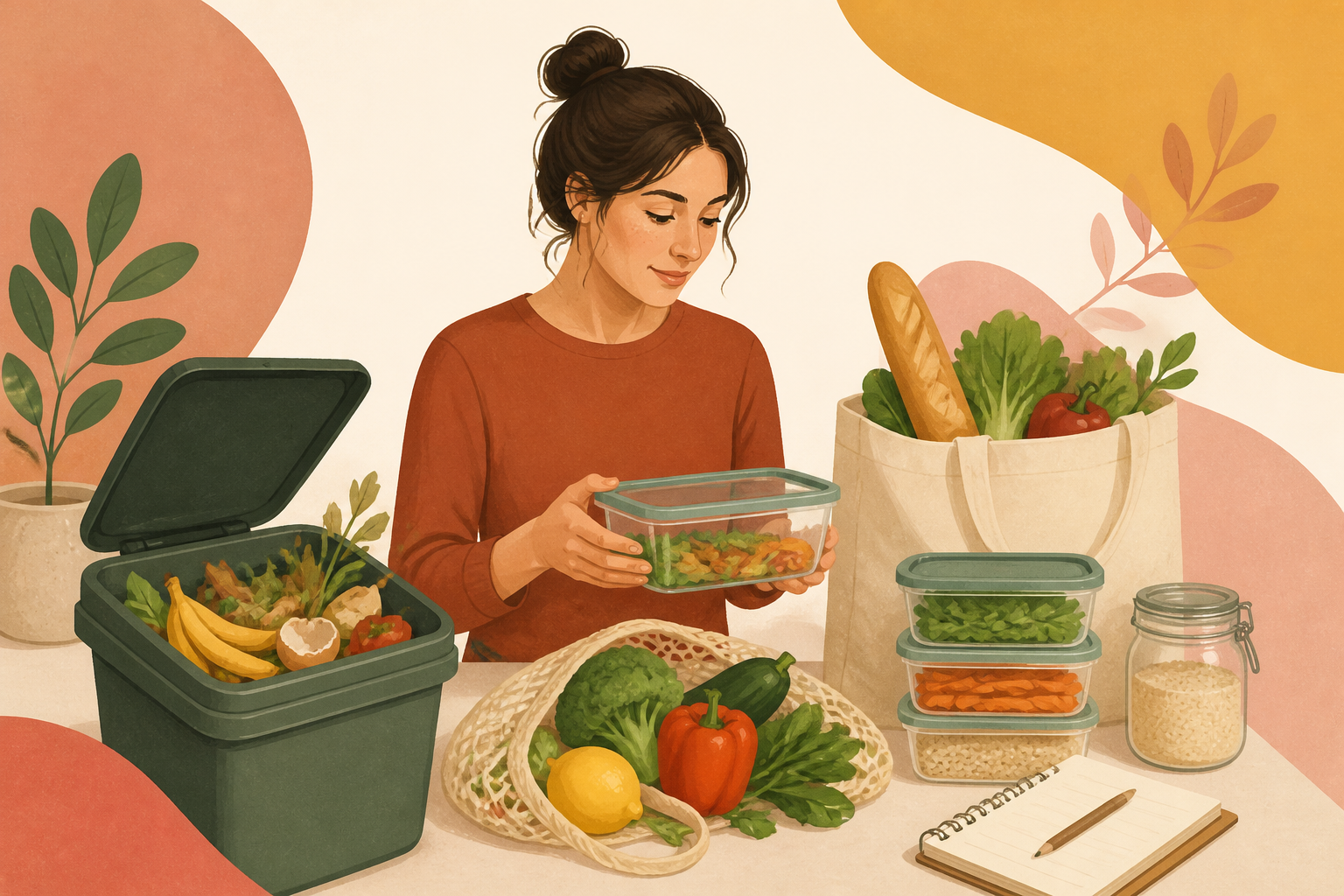
To reduce household food waste, you must combine accurate meal planning with proper storage techniques and a regular fridge audit. The average UK household throws away 70kg of food annually that could have been eaten. By managing portions and understanding date labels, a typical family can save approximately £730 every year.
Why is food waste so high in modern households?
Food waste often happens because of over-purchasing and a misunderstanding of how to store perishables. Many people buy items in bulk to save money, but if 20% of that food spoils before use, the initial saving is lost. Confusion between "use-by" and "best-before" dates also leads to perfectly edible food being discarded prematurely.
Data from environmental organisations suggests that certain food groups are wasted more frequently than others. Understanding these patterns helps you focus your efforts where they matter most.
| Food Category | Common Reason for Waste | Estimated Annual Waste per Household |
|---|---|---|
| Potatoes | Sprouting or softening | 4.4 million tonnes (UK total) |
| Bread | Going mouldy or stale | 20 million slices per day |
| Milk | Passing the use-by date | 490 million pints per year |
| Fresh Salads | Wilting in the fridge drawer | 40% of all purchased bags |
Step 1: Conduct a three-day waste audit
Before you change how you shop, you need to see what you are actually throwing away. For three days, keep a list of every food item that goes into the bin or compost. Note the reason why it was discarded. Common reasons include "went off before I could cook it," "cooked too much for dinner," or "didn't like the taste."
This data identifies your specific weaknesses. If your bin is full of wilted spinach, you are over-buying greens. If it is full of leftover pasta, your portion control needs adjustment. You can find more advice on managing daily routines in our life hacks section.
Step 2: Master the difference between date labels
Understanding labels is the fastest way to stop throwing away safe food. The UK government and food standards agencies categorise dates into two distinct types:
- Use-by dates: These relate to safety. You should not eat food past this date, even if it looks and smells fine, as it could contain harmful bacteria.
- Best-before dates: These relate to quality. The food is still safe to eat after this date, but the texture or flavour might not be at its peak. Foods like pasta, tinned goods, and hard cheeses are often fine for weeks or months after a best-before date.
How do you store food to maximise its lifespan?
Proper storage can double the life of your groceries. Many people store items in the wrong place, which accelerates decay. For example, tomatoes lose their flavour and texture in the fridge, while bread goes stale faster in a cold environment than it does in a bread bin or cupboard.
To optimise your kitchen, follow these storage rules:
- Set your fridge temperature: Ensure your fridge is between 0°C and 5°C. Many domestic fridges are set too warm, which allows milk to sour and meat to spoil faster.
- Use the freezer as a pause button: You can freeze almost anything, including milk (shake it when thawed), cheese (grate it first), and even eggs (crack them into a container).
- Treat herbs like flowers: Place the stems of fresh herbs in a glass of water to keep them crisp for up to two times longer than in a plastic bag.
- Keep potatoes and onions apart: Onions release gases that cause potatoes to sprout faster. Store them in separate, dark, cool cupboards.
Step 3: Implement a "First In, First Out" system
Professional kitchens use the "First In, First Out" (FIFO) method to ensure older stock is used before new deliveries. When you come home from a supermarket shop, move the older items in your fridge and cupboard to the front. Place the new items at the back. This simple physical habit ensures you see the yoghurt that expires tomorrow before you reach for the one that expires next week.
Designating an "Eat Me First" box in the fridge is another effective tactic. Place any items that are nearing their use-by date into this box so that every member of the household knows what needs to be prioritised for snacks or meals. For broader advice on organising your home systems, visit our personal development resources.
Step 4: Practice precision portioning
Cooking too much is a primary cause of plate waste. Use a kitchen scale or measuring cups rather than "eyeballing" quantities. For a single adult portion, 75g of dried pasta or rice is usually sufficient. If you do cook too much, treat the remainder as a planned meal for the next day. Refrigerate leftovers within two hours of cooking and eat them within two days.
Step 5: Shop with a specific list
Never enter a supermarket without a list based on a meal plan. Impulse buys are the items most likely to be wasted because they do not have a designated place in your weekly menu. When you shop, check your cupboards first to avoid buying duplicates of items you already own. This practice is a core pillar of personal wealth management because it prevents "leakage" in your monthly budget.
What should you do with food that cannot be eaten?
Even with the best planning, some waste is inevitable, such as vegetable peelings, eggshells, and coffee grounds. If your local council provides a food waste collection service, ensure you use it. Food in a dedicated waste bin is often turned into biogas or fertiliser. If you have outdoor space, starting a compost heap turns waste into free nutrients for your garden, completing a sustainable cycle.
By following these steps, you reduce your environmental footprint and keep more money in your bank account. Consistency is more important than perfection. If you want to learn more about improving your daily habits, explore our how-to guides.
Frequently asked questions
Is it safe to eat food past the best-before date?
Yes, it is generally safe. Best-before dates are an indicator of quality, not safety. You should use your senses to check for signs of spoilage, such as mould or an off-smell, but many dry and canned goods remain edible for a long time after this date.
Can I freeze food on its use-by date?
Yes, you can freeze most food right up to the use-by date. Once in the freezer, the clock stops. When you decide to eat it, defrost it in the fridge and consume it within 24 hours.
How do I keep bagged salad fresh for longer?
Bagged salad often wilts due to excess moisture. To prevent this, open the bag and place a piece of kitchen roll inside. The paper absorbs the moisture, keeping the leaves crisp for several extra days.
What is the most wasted food item in the UK?
Potatoes and bread are consistently the most wasted items. We throw away approximately 4.4 million tonnes of potatoes and 20 million slices of bread every year. Proper storage in a cool, dark place for potatoes and freezing bread can significantly reduce these numbers.