
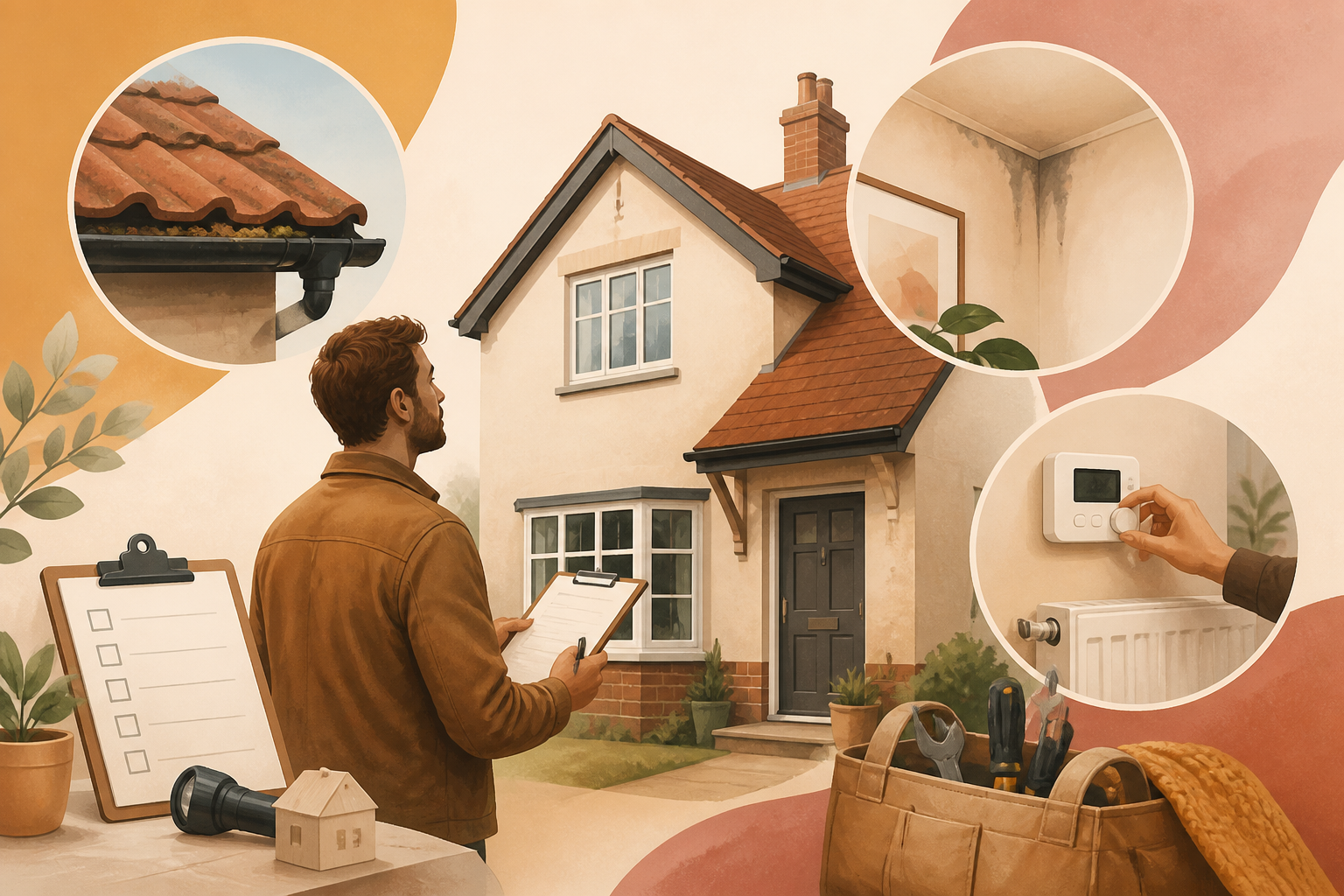
A home maintenance audit is a systematic inspection of your property’s exterior, interior, and mechanical systems to identify wear and tear. By checking key areas like the roof, plumbing, and insulation twice a year, you can prevent minor issues from becoming expensive structural repairs that cost thousands of pounds.
How often should you perform a home maintenance audit?
You should perform a full home maintenance audit at least twice a year, ideally in spring and autumn. This schedule allows you to prepare for extreme weather and address damage caused by winter frosts or summer heat. Regular checks ensure your home remains energy efficient and structurally sound.
Neglecting basic upkeep can lead to significant financial loss. In the UK, repairing significant water damage from a neglected roof leak can cost between £2,000 and £5,000, whereas clearing gutters costs very little. A structured approach helps you prioritise tasks based on urgency and budget.
Step 1: Inspect the exterior envelope
Begin at the highest point of your property. Use binoculars to inspect the roof from ground level rather than climbing a ladder if you are untrained. Look for slipped, cracked, or missing tiles. Check the flashing around chimneys and skylights, as these are common entry points for water.
Examine the gutters and downpipes. Look for signs of sagging or leaks at the joints. In autumn, ensure they are clear of leaves and moss. Debris buildup causes water to overflow, which eventually leads to damp walls and foundation issues. Check the brickwork for "spalling," where the face of the brick crumbles due to freeze-thaw cycles. If the mortar is receding more than 10mm, you may need to plan for repointing.
Step 2: Evaluate windows and door seals
Windows and doors are the primary areas for heat loss in a typical UK home. Walk through every room and feel for draughts around the frames. Check the condition of the sealant and wooden frames for signs of rot. If you have double glazing, look for condensation between the glass panes, which indicates the vacuum seal has failed.
Lubricate hinges and locks with a silicone-based spray once a year to prevent mechanical failure. Ensure that all trickle vents are clear and functioning. Proper ventilation is essential to prevent internal condensation and mould growth, especially in bathrooms and kitchens.
Step 3: Test internal systems and safety devices
Your heating and plumbing systems require regular monitoring to operate efficiently. Check your boiler pressure; most systems should sit between 1.0 and 1.5 bar. Bleed your radiators if they are cold at the top to remove trapped air, which improves heating efficiency by up to 15%.
Test all smoke alarms and carbon monoxide detectors by pressing the test button. Replace batteries annually, even if the device is not chirping. Inspect the visible pipework under sinks and behind toilets for slow leaks or green copper oxidation, which signals a future failure point.
Why is a maintenance schedule important for your budget?
A maintenance schedule prevents "emergency tax," which is the premium you pay for urgent call-outs during peak seasons. By identifying a boiler issue in September, you avoid the high costs and long wait times of a breakdown in January. Maintenance also preserves the resale value of your property.
| Task | Frequency | Estimated DIY Cost | Potential Repair Savings |
|---|---|---|---|
| Gutter clearing | Bi-annually | £0 - £20 | £500+ (Damp repair) |
| Bleeding radiators | Annually | £2 (Key) | £100+ (Energy bills) |
| Testing alarms | Monthly | £0 | Invaluable (Safety) |
| Boiler service | Annually | £80 - £120 | £2,500 (New boiler) |
| Checking roof tiles | Bi-annually | £0 | £1,000+ (Timber rot) |
Step 4: Check for damp and ventilation issues
Damp is a common issue in older UK housing stock. During your audit, look for tide marks on wallpaper, peeling paint, or a musty smell. Check the back of furniture pushed against external walls, as these are prime spots for black mould. Ensure that air bricks on the exterior of your house are not blocked by soil or garden debris.
If you find mould, clean it immediately with a mild bleach solution or specialised fungicidal wash. Identify the source: is it rising damp, penetrating damp from a leak, or simple condensation? Improving airflow by keeping internal doors open and using extractor fans can resolve most condensation issues.
Step 5: Review insulation and energy efficiency
Check your loft insulation if you have safe access. The recommended depth for mineral wool insulation is 270mm. If your insulation is compressed or sparse, adding another layer can significantly reduce your heating costs. Ensure that the insulation does not block the eaves, as your loft needs airflow to stay dry.
Inspect the lagging on your hot water pipes and the jacket on your hot water cylinder. These small additions are inexpensive but stop heat from escaping into unheated areas of the home. You can find more advice on managing these tasks in our life hacks section.
Organising your audit findings
Once you have completed your walk-through, categorise your findings into three groups: immediate repairs, seasonal tasks, and long-term improvements. Use a simple notebook or a digital spreadsheet to track the dates of your inspections and any repairs made. This documentation is helpful for insurance purposes and when you eventually sell the property.
- Immediate: Safety risks, active leaks, or broken locks.
- Seasonal: Painting wood, clearing gutters, and garden pruning.
- Long-term: Roof replacement, window upgrades, or new boiler installation.
Effective property management is a core part of personal wealth management because your home is likely your largest asset. Protecting it through regular audits is a practical way to manage your long-term expenses. For more guides on maintaining your living environment, visit our how to archive.
Frequently asked questions
What tools do I need for a home audit?
You only need basic tools like a torch, a screwdriver, a spirit level, and binoculars. A moisture meter can also be helpful for checking walls if you suspect damp. Most of the audit involves visual inspection rather than physical dismantling.
Can I do a home maintenance audit myself?
Yes, most homeowners can complete a visual audit safely. However, you should never attempt to service gas appliances or climb onto a high roof without professional training. If you find a technical fault with the electrics or gas, call a registered professional immediately.
How long does a full home audit take?
A thorough audit for a three-bedroom house usually takes between two and four hours. It is best to do this during daylight hours so you can clearly see signs of wear on the exterior and in the loft. Smaller flats may only take an hour to inspect fully.
Should I keep a log of my home repairs?
Yes, keeping a record of when you last serviced the boiler or cleared the gutters is very useful. It provides a history of care that can be shown to surveyors or buyers. It also helps you spot patterns, such as a specific gutter that blocks more frequently than others.