
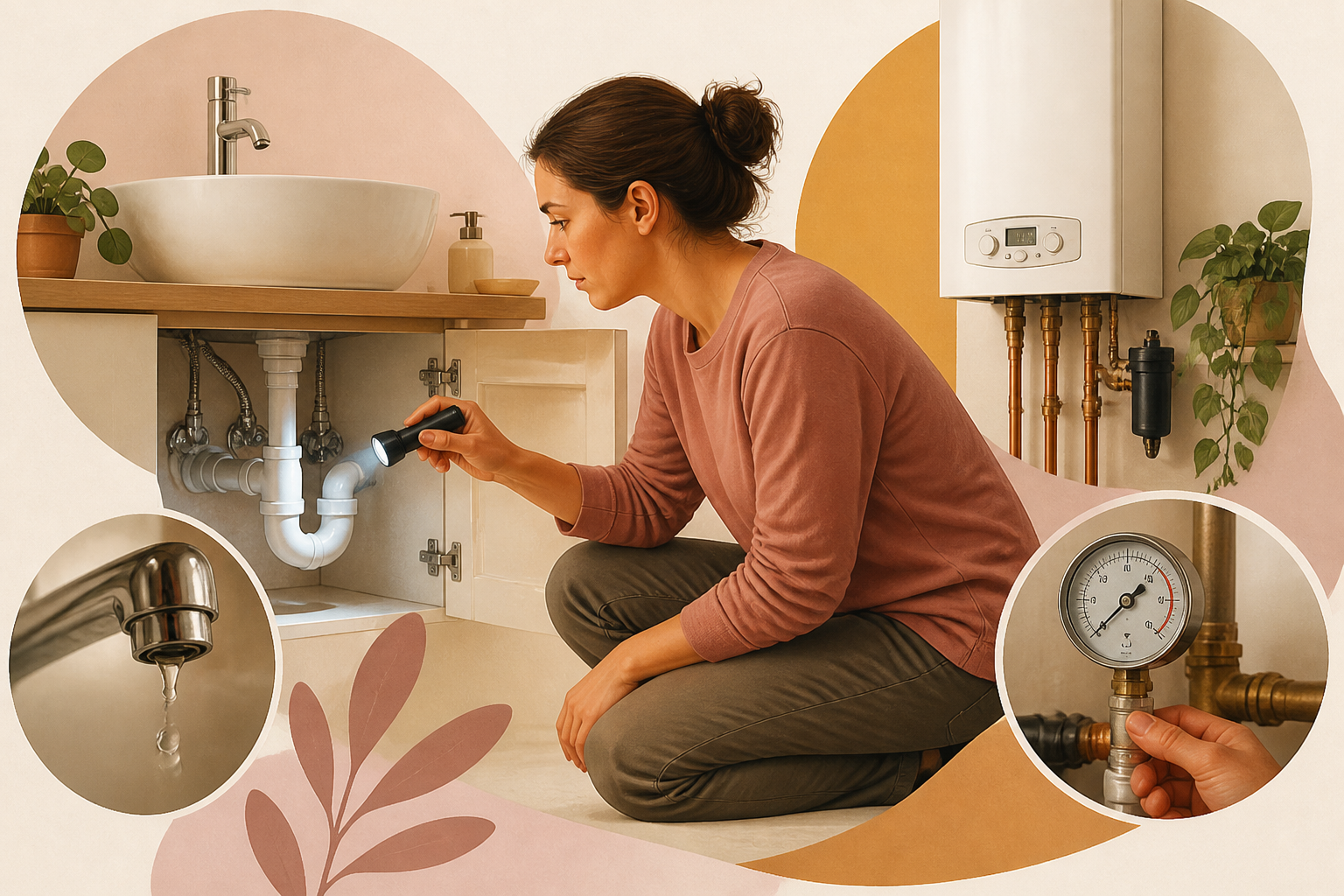
A DIY plumbing audit involves a systematic inspection of your home's water fixtures, pipes, and drainage to identify early signs of wear or failure. By checking for slow drips, hidden moisture, and stiff valves every six months, you can prevent major water damage and reduce your annual utility costs by up to 10%.
Why should you perform a plumbing audit?
Performing a plumbing audit helps you find minor issues before they escalate into expensive emergencies. A single dripping tap can waste over 5,000 litres of water per year, and hidden leaks behind walls can cause structural rot or mould that costs thousands of pounds to remediate. Regular checks also ensure you know how to shut off your water quickly in an emergency, reducing the potential impact of a burst pipe.
Most households in the UK use roughly 142 litres of water per person per day. Even a small leak in a toilet cistern can add significantly to a metered water bill. Conducting this audit allows you to verify that your appliances are running efficiently and that your pipework is prepared for seasonal temperature changes.
How do you check for hidden leaks using your water meter?
Checking your water meter is the most accurate way to determine if you have a hidden leak. Ensure all taps, showers, and water-using appliances like dishwashers or washing machines are turned off. Locate your water meter—usually found under the kitchen sink, in a cupboard, or outside in a boundary box—and record the current reading. Do not use any water for at least two hours, then check the meter again. If the numbers have changed, you likely have a leak somewhere in your system.
| Leak Type | Average Water Loss | Potential Yearly Cost Impact |
|---|---|---|
| Slow dripping tap | 5,000 - 10,000 litres/year | £15 - £30 |
| Leaking toilet cistern | 200 - 400 litres/day | £200 - £400 |
| Pinhole pipe leak | 3,000+ litres/day | £1,000+ |
Step 1: Test your main stopcock
The stopcock is the main valve that controls the flow of water into your home. It is often located under the kitchen sink, in a hallway cupboard, or under the stairs. Many stopcocks seize up over time because they are rarely moved. Turn the valve clockwise to close it, then check a tap to see if the water has stopped. If it does not move or does not stop the water, you will need a plumber to replace it. Always turn it back fully counter-clockwise, then turn it back a quarter-turn to prevent it from seizing again.
Step 2: Inspect all taps and showerheads
Check every tap in the house for drips when turned off. Look for water seeping from the base of the tap or the handles, which often indicates a worn O-ring or washer. Remove showerheads and check for limescale buildup, which can increase back-pressure and cause leaks in the hose. If you live in a hard water area, soaking these in white vinegar for two hours can restore flow and reduce strain on the system. You can find more practical maintenance tips in our life-hacks section.
Step 3: Evaluate toilet efficiency and leaks
Toilets are a common source of silent leaks. Remove the cistern lid and check that the water level is below the overflow pipe. You can perform a dye test by adding a few drops of food colouring into the cistern. Wait 15 minutes without flushing; if colour appears in the toilet bowl, the flush valve is leaking. This is usually a simple DIY fix involving the replacement of a rubber seal or the entire flush mechanism.
Step 4: Examine exposed pipes and joints
Look under sinks and behind appliances for any signs of moisture, green oxidation on copper pipes, or rust on joints. Feel the pipes with your hands; even if they look dry, a slight dampness can indicate a pinhole leak. Pay close attention to the connections for your washing machine and dishwasher, as these hoses can become brittle over 5 to 10 years and eventually split.
Step 5: Check drainage and outdoor taps
Slow drains are often a precursor to a total blockage. Run water in every sink and watch how quickly it clears. If it gurgles or drains slowly, use a plunger or a drain snake rather than harsh chemicals, which can damage older pipes. Outside, ensure your garden tap is not dripping and check that any exposed external pipework is covered with foam insulation to prevent freezing during winter months.
What are the signs of high water pressure?
High water pressure can damage your appliances and cause pipes to rattle or burst. If you hear a "thumping" sound when you turn off a tap (known as water hammer), your pressure may be too high. Most UK homes should have a pressure between 1.0 and 3.0 bar. If your pressure consistently exceeds 4.0 bar, you should consider installing a pressure-reducing valve to protect your plumbing system. Managing these household details is a core part of personal-development and home management.
- Water hammer: Banging noises in the walls when taps are closed.
- Frequent leaks: Multiple taps or joints failing simultaneously.
- Erratic spray: Water spraying forcefully or unevenly from aerators.
- Shortened appliance life: Premature failure of dishwashers or boilers.
If you identify issues during your audit that involve the boiler or gas lines, do not attempt to fix these yourself. Always contact a Gas Safe registered engineer for any work involving gas appliances or the internal components of a sealed heating system. For general home upkeep knowledge, you can browse our blog/life-skills-q-and-a for more advice on maintaining your property.
Frequently asked questions
How often should I check my plumbing?
You should conduct a visual audit of your plumbing every six months. The best times are in the autumn, to prepare for freezing temperatures, and in the spring, to check for any damage caused by winter weather. Regular checks take about 30 minutes but can save hours of cleanup later.
Is a dripping tap always a simple fix?
In most cases, a dripping tap requires a new washer or ceramic disc, which costs less than £5. However, if the tap is old and the internal seating is corroded, you may need to replace the entire fixture. Ignoring a drip can eventually lead to the water "scoring" the metal, making a simple washer replacement ineffective.
Why is there a damp smell under my sink if I can't see a leak?
A damp smell without a visible puddle often indicates a very slow leak that is evaporating before it pools, or a leak hidden behind the cabinetry. Check for warped wood, discoloured floorboards, or mould growth on the back wall. It could also indicate a loose waste pipe connection that only leaks when the sink is draining.
Do I need to insulate internal pipes?
Internal pipes in heated rooms do not usually need insulation. However, pipes in unheated areas like lofts, garages, or crawl spaces must be insulated with foam lagging. This prevents the water inside from freezing, expanding, and splitting the pipe, which is a leading cause of home insurance claims in the UK.